
Last updated: 7 August 2026
Link building case studyLink Building Case Study: How a Six-Step System Took a SaaS Brand From 0 Backlinks to the Top AI-Recommended Tool in Its Niche
Links were going out every month and DR kept climbing, but rankings and revenue weren't moving. So instead of building more links, I stopped and looked at what had actually worked across 50+ campaigns. The pattern was always the same: six tactics, run in a specific order, not thrown at the site all at once.
Services used
Overview
I ran link building for a SaaS brand in a competitive, low-trust niche with zero backlink history and zero AI citations.
Links were going out every month before I took this on, and DR kept climbing, but rankings and revenue weren't moving. So instead of building more links, I stopped and looked at what had actually worked across 50+ campaigns I'd run before. The pattern was always the same: six tactics, run in a specific order, not thrown at the site all at once.
This case study breaks down that system and the numbers it produced.
The challenge
Links were going live. Reports looked solid. But nothing that mattered was changing. That's a common trap in link building: DR becomes the metric everyone watches because it's the easiest one to move, while rankings, AI visibility, and revenue sit still.
The brand had no natural backlink profile, no authority in AI answers, and organic traffic that was almost entirely branded search.
The core problem
We needed an approach that compounded over time rather than one that just kept the link count going up.
The strategy
The plan had six parts, run in order rather than all at once.
- 1Build the foundation with guest posts, prioritizing control and quality over volume.
- 2Layer in niche edits on pages that already had traffic or rankings.
- 3Get the brand named and linked in listicles and roundup content, since that's exactly what AI models pull from when generating recommendations.
- 4Run a full competitor backlink gap analysis to close proven gaps instead of guessing.
- 5Use HARO to add authority faster through a small number of high-value placements.
- 6Build data-driven linkable assets so links kept coming in without ongoing outreach.
The execution
The same six steps, in the order they were actually run.
-
01
Built the guest post foundation first
Not volume, just consistent placements on sites with real traffic and real editorial standards. This gave us control over anchor text, context, and placement quality from day one, and authority started stacking month by month.

-
02
Added niche edits on relevant, already-ranking pages
These were links inserted into existing blog posts that already had traffic or rankings, on Google, AI search, or both. This is where the first real movement showed up, and it happened fast.

-
03
Got the brand mentioned in listicles built for AI citations
We got the brand named, not always linked, in "best [category] tools" and comparison-style roundups already ranking well. AI models draw heavily from this kind of content when answering recommendation queries, so this step mattered as much as any backlink.
-
04
Ran a competitor backlink gap analysis
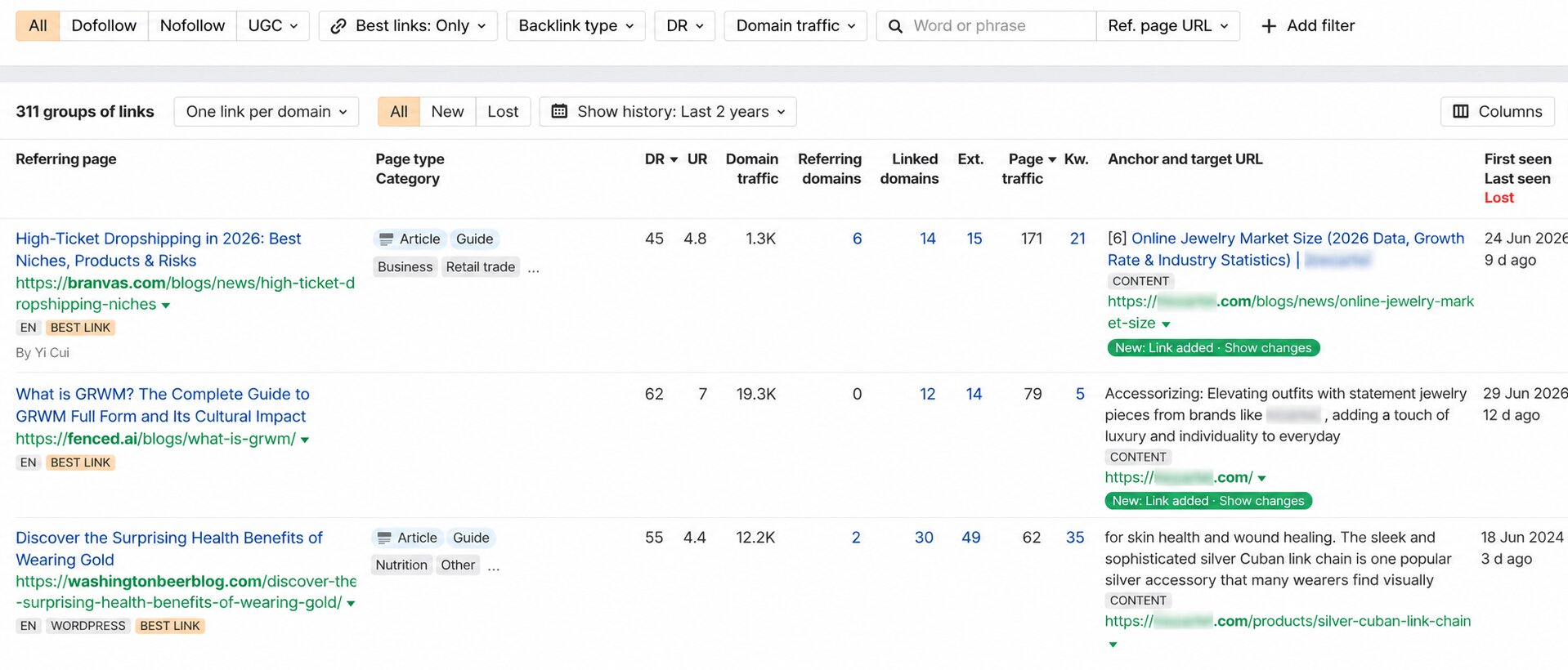
If a site had already linked to a competitor in this space, we knew it would link to a relevant player again. No cold pitching into the void, just closing gaps with sites that had already shown intent to link here.
-
05
Ran a focused HARO campaign
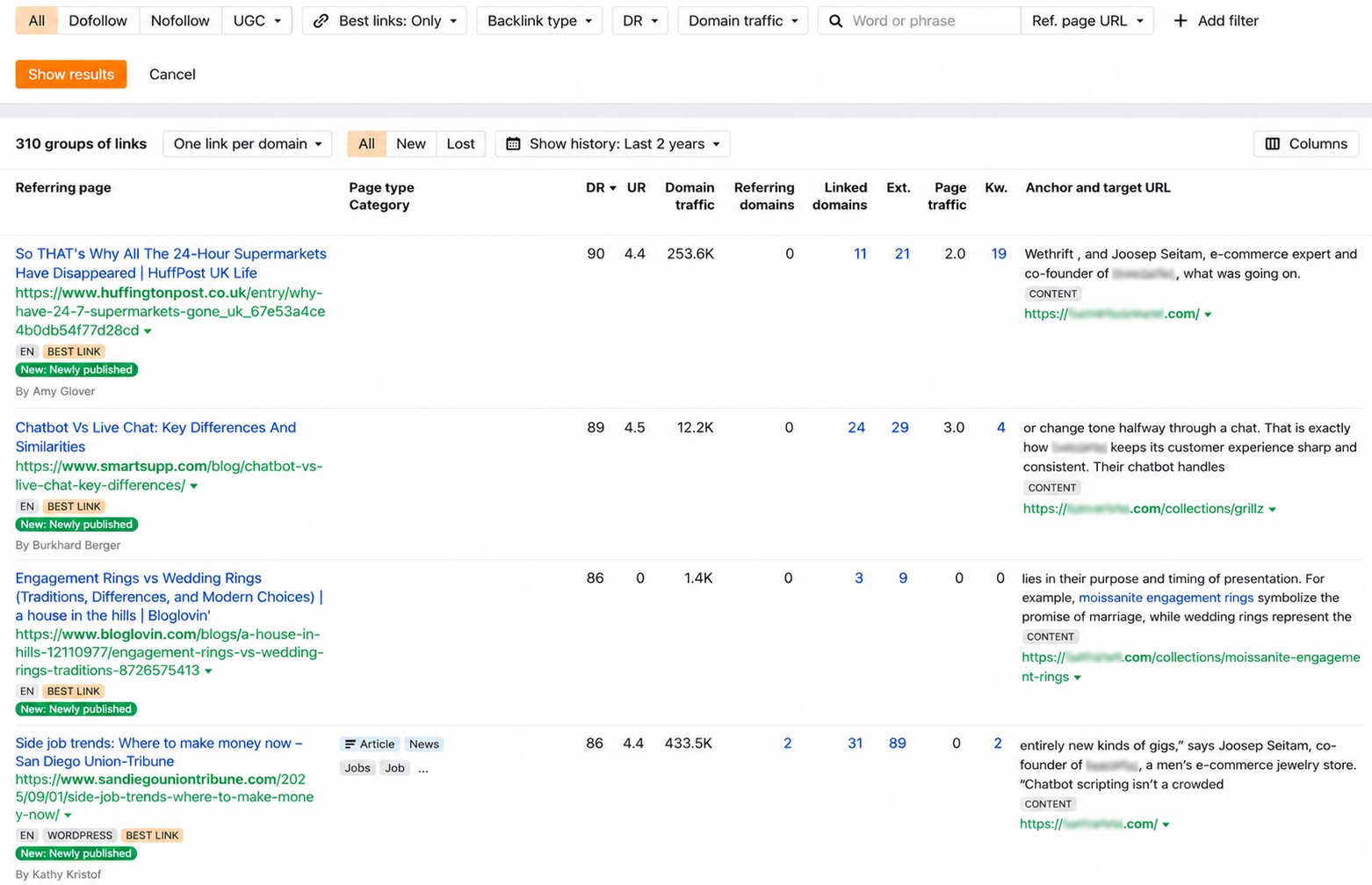
We answered 12 journalist queries. Two got published, and one was picked up by a high-authority site — a single placement that carried more weight than dozens of average links.
-
06
Built linkable assets instead of relying only on outreach
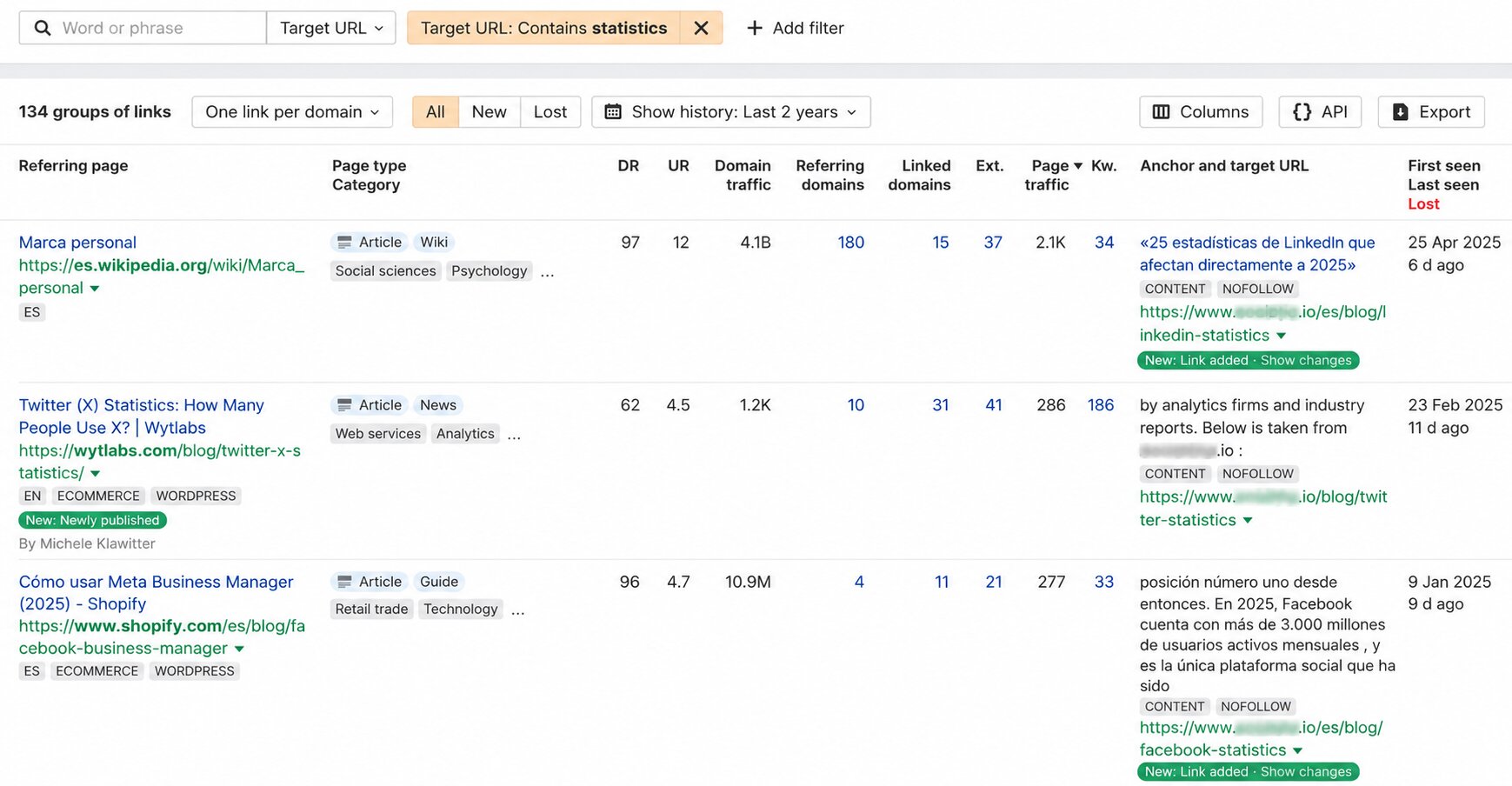
We created data-driven, skyscraper-style content around topics publishers were already writing about — original statistics and industry data — which earned links naturally from DR 70-90 sites with millions of monthly traffic.

The results
What the six-step system produced.
| Metric | Result | Detail |
|---|---|---|
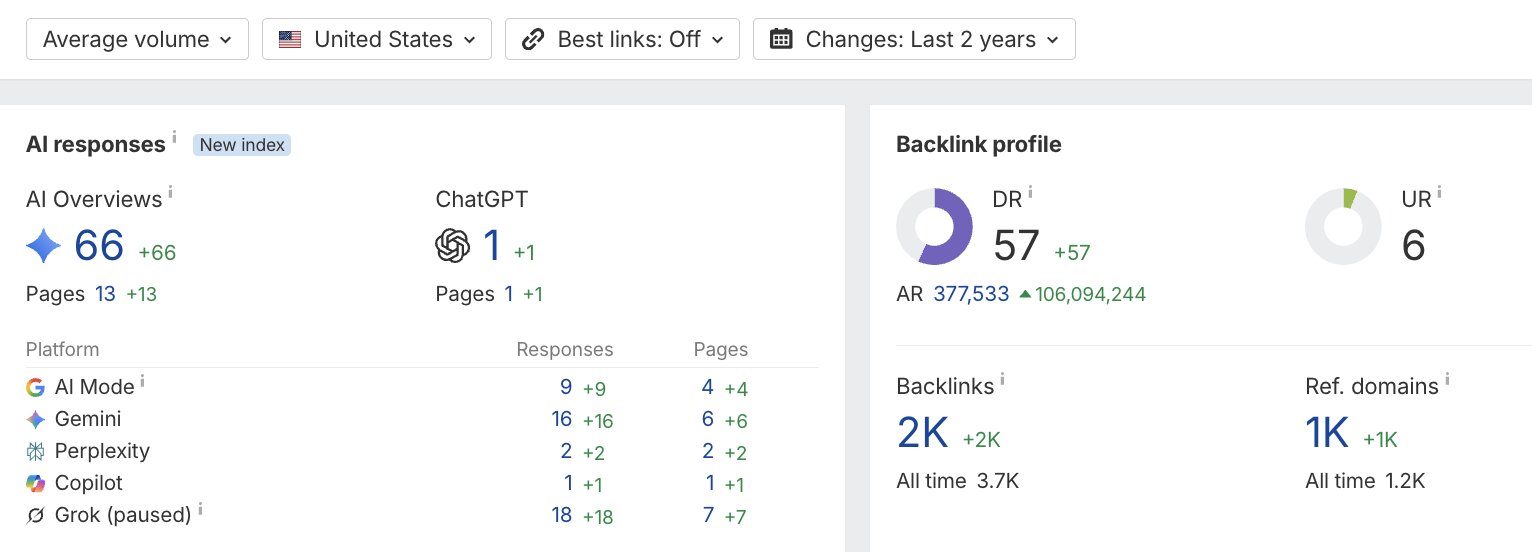
| Domain Rating | 0 → 57 | From no backlink history at all |
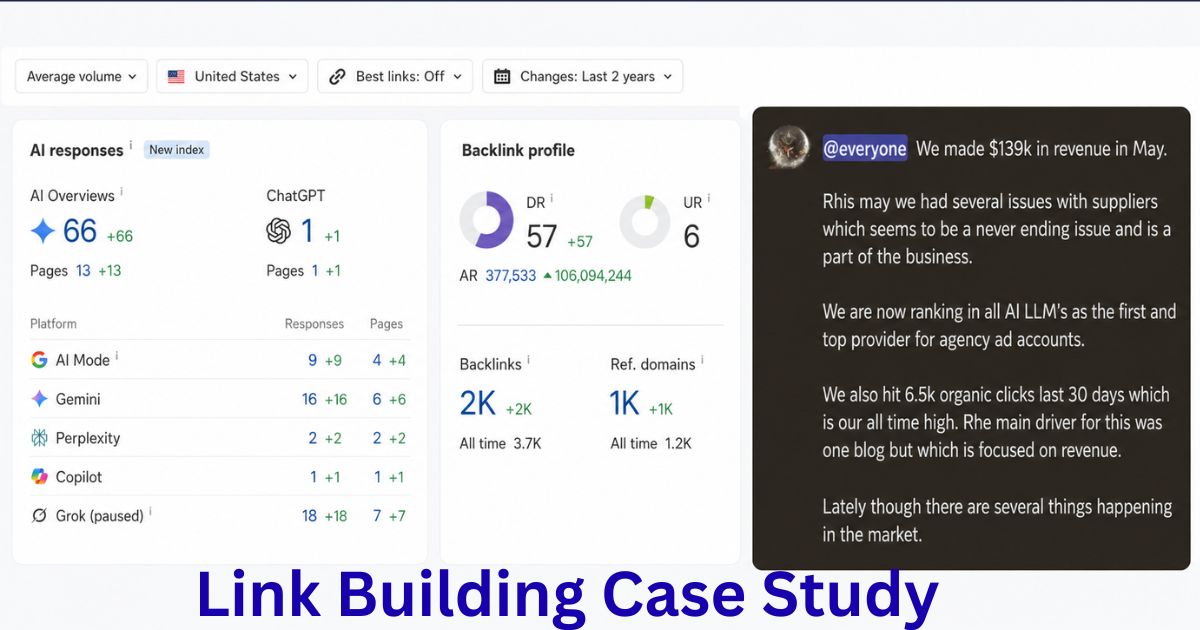
| Referring domains | 1,000+ | 1.2K all time; 1K new in the reporting window |
| Backlinks | 3.7K | All time; 2K new in the reporting window |
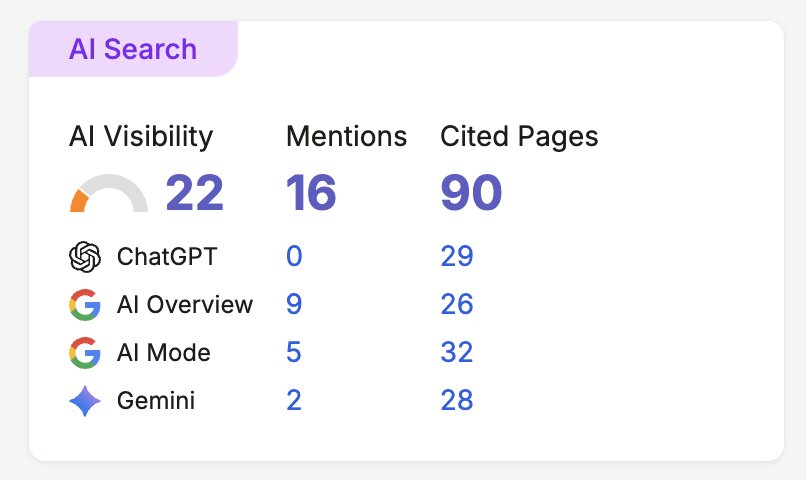
| AI visibility | 22 | 16 mentions across 90 cited pages, up from 0 |
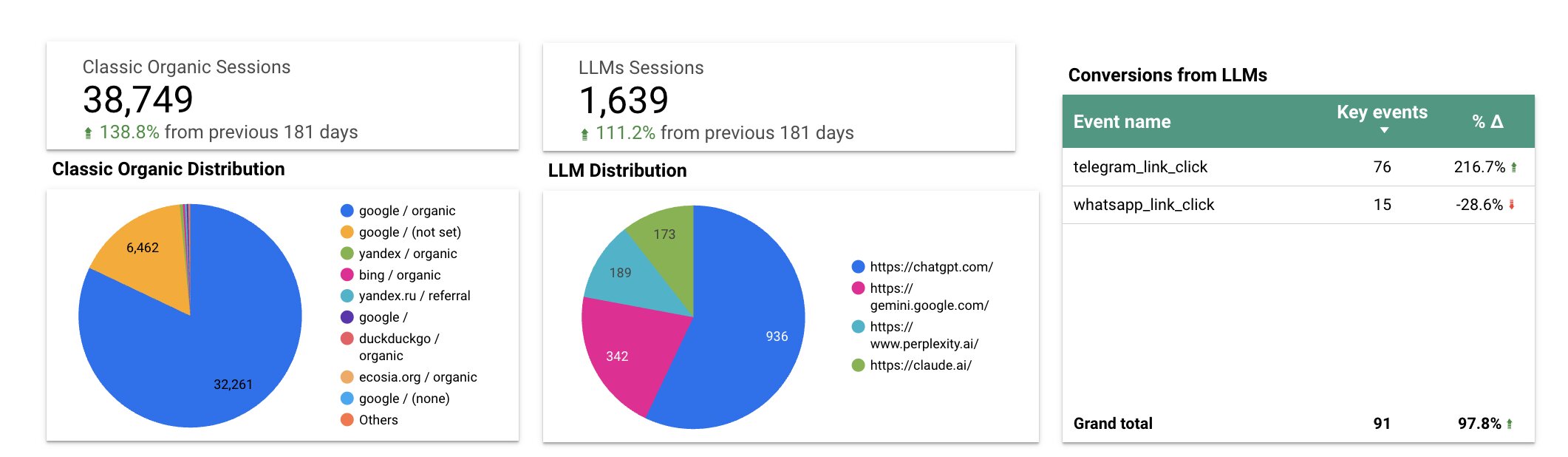
| Classic organic sessions | 38,749 | Up 138.8% year over year |
| LLM referral sessions | 1,639 | Up 111.2% — ChatGPT, Gemini, Perplexity, Claude |
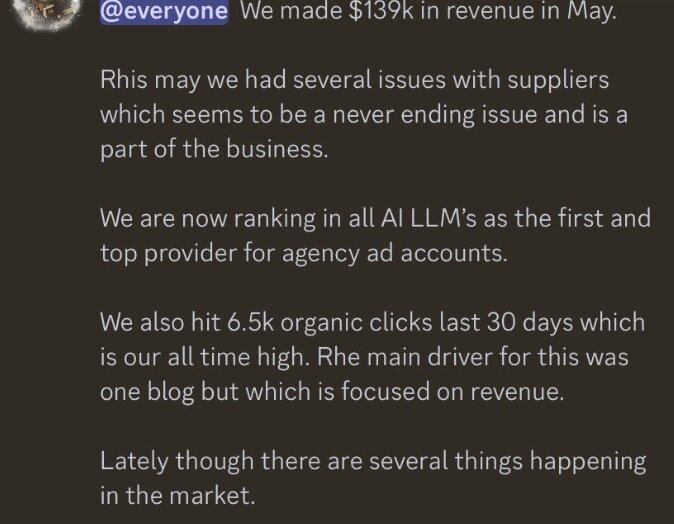
| Organic revenue | $139K | In a single month, off an all-time-high 6.5K clicks in 30 days |
If your link building reports show DR going up every month with nothing else moving, it's not a links problem. It's an order-of-operations problem.Mishon SEO consultant & growth partner
Why it works — key takeaways
Guest posts, niche edits, HARO, and digital PR aren't new tactics. What changed the outcome was the order they ran in.
Sequencing matters more than volume
Build the foundation first, then layer in the tactics that compound, then the ones that scale on their own.
AI citations need their own play
Getting linked matters, but getting named in the roundups and listicles AI models actually pull from is what moves you from ranked to recommended.
Proven gaps beat cold pitching
Competitor backlink analysis turns outreach from a guessing game into a list of sites that have already shown they'll link in this space.
A handful of great placements beats a pile of average ones
One high-authority HARO placement outweighed dozens of average links, both in authority and in what it signaled to Google and to AI models.
Data pages keep earning without ongoing effort
Once the linkable assets were live, links kept coming in from high-DR, high-traffic sites naturally, without a single outreach email.