
Last updated: 7 August 2026
SaaS SEO case studySaaS SEO Case Study: How Topical Authority Took One SaaS Brand to the Number One Spot
The brand wanted to become the clear leader in its niche, not just rank for a few keywords here and there. Using a topical authority strategy, AI-assisted content at scale, and a handful of smart backlink plays, it grew from a small organic base to millions of monthly clicks and became the top name in its space. It's still holding that spot today.
Services used
Overview
I ran SEO for a SaaS brand that wanted to become the clear leader in its niche, not just rank for a few keywords here and there.
Using a topical authority strategy, AI-assisted content at scale, and a handful of smart backlink plays, the brand grew from a small organic base to millions of monthly clicks and became the top name in its space. It's still holding that spot today.
This case study breaks down the exact approach, what we built, and the real numbers behind the growth.
The challenge
SEO is not about stuffing in more keywords. It's about being the best answer to what people are searching for. That was the mindset going in, but turning it into results at scale is a different problem.
The brand had real competition already ranking, no built-in topical authority, and no natural backlink profile to speak of.
The core problem
We needed a way to grow that compounded over time, rather than one that only worked for a single campaign.
The strategy
The plan had four parts working together rather than a single tactic.
- 1Build a clear topical map and grow authority across it, so the site became the obvious answer for the whole subject, not just individual pages.
- 2Use an AI-assisted, data-driven content approach to build that authority at scale, including statistics and programmatic pages that could act as linkable assets on their own.
- 3Back all of it with strong on-page SEO on the core service pages, matched closely to real search intent, plus ongoing technical health work so nothing held the growth back.
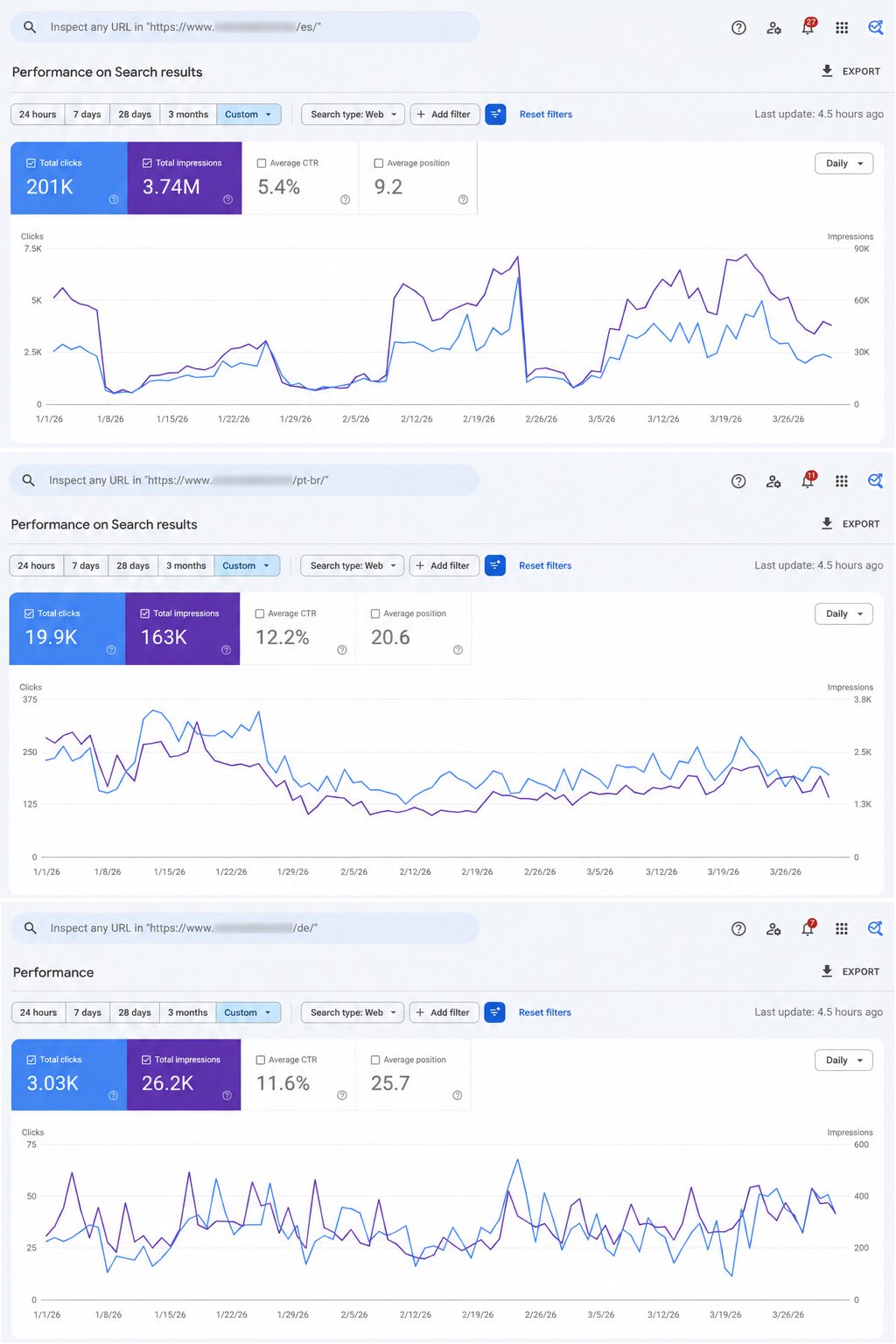
- 4Expand the same topical authority strategy into multiple languages using multilingual SEO rather than direct translation.
The execution
Seven moves, in the order they ran.
-
01
Built the topical map first
Before writing anything, we mapped out the full topic space the brand needed to own, not just a keyword list.
-
02
Expanded into multilingual SEO
Localized high-performing content for multiple markets with localized keywords, metadata, internal linking, and hreflang implementation.
-
03
Created statistics and programmatic content at scale
These pages were built to be cited and linked to on their own, since data pages tend to earn links naturally from writers who need a source.
-
04
Let topical authority pull in backlinks
As the site's authority in the space grew, backlinks started coming in from sites like Shopify and Search Engine Journal without any outreach at all.
-
05
Ran a light HARO campaign to add authority faster
In three months, this brought in 14 backlinks along with press mentions on Yahoo, MSN, and Opera.
-
06
Optimized the core service pages
We rewrote and restructured these pages to match real search intent, not just target a keyword.
-
07
Kept technical health close to perfect
With hundreds of thousands of pages, small technical issues can quietly cap growth. We tracked and fixed these on an ongoing basis to keep the foundation solid.
The results
What topical authority produced once it started compounding.
| Metric | Result | Detail |
|---|---|---|
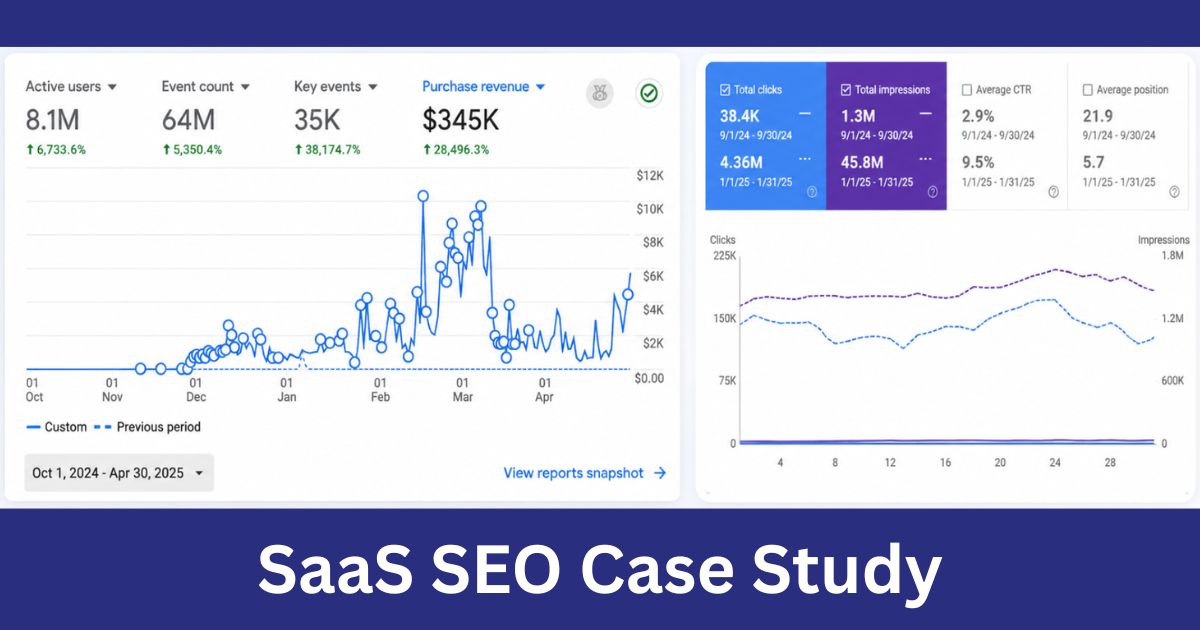
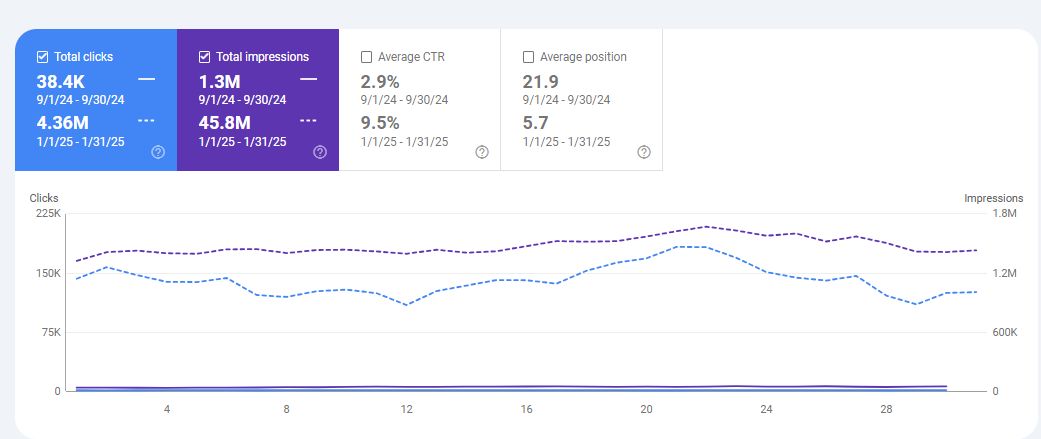
| Monthly clicks | 4.36M | Up from 38.4K |
| Monthly impressions | 45.8M | Up from 1.3M |
| Average position | 21.9 → 5.7 | Click-through rate more than tripled, 2.9% to 9.5% |
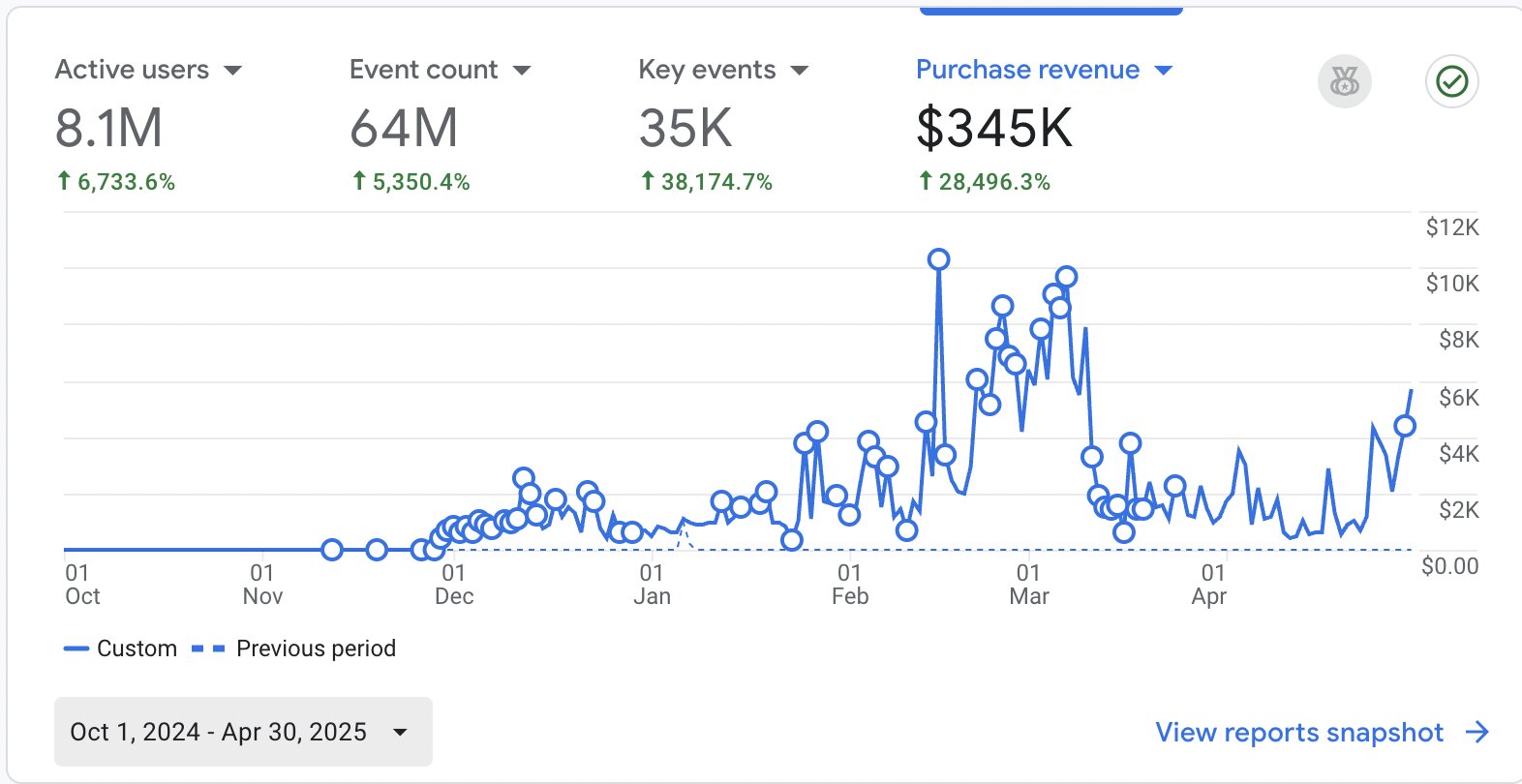
| Active users | 8.1M | Over a seven-month window |
| Key events | 35K | Same seven-month window |
| Purchase revenue | $345K | Same window; each metric up by several thousand percent |
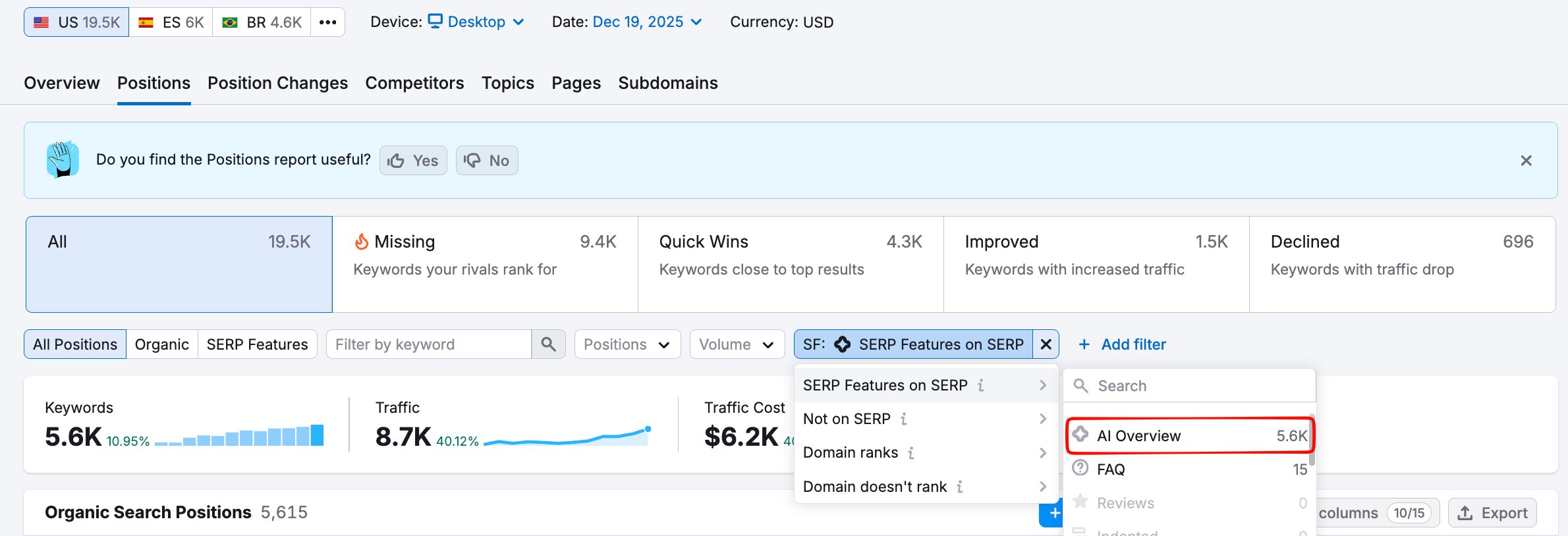
| AI Overview appearances | 5,600+ | Out of roughly 19,500 tracked keywords |
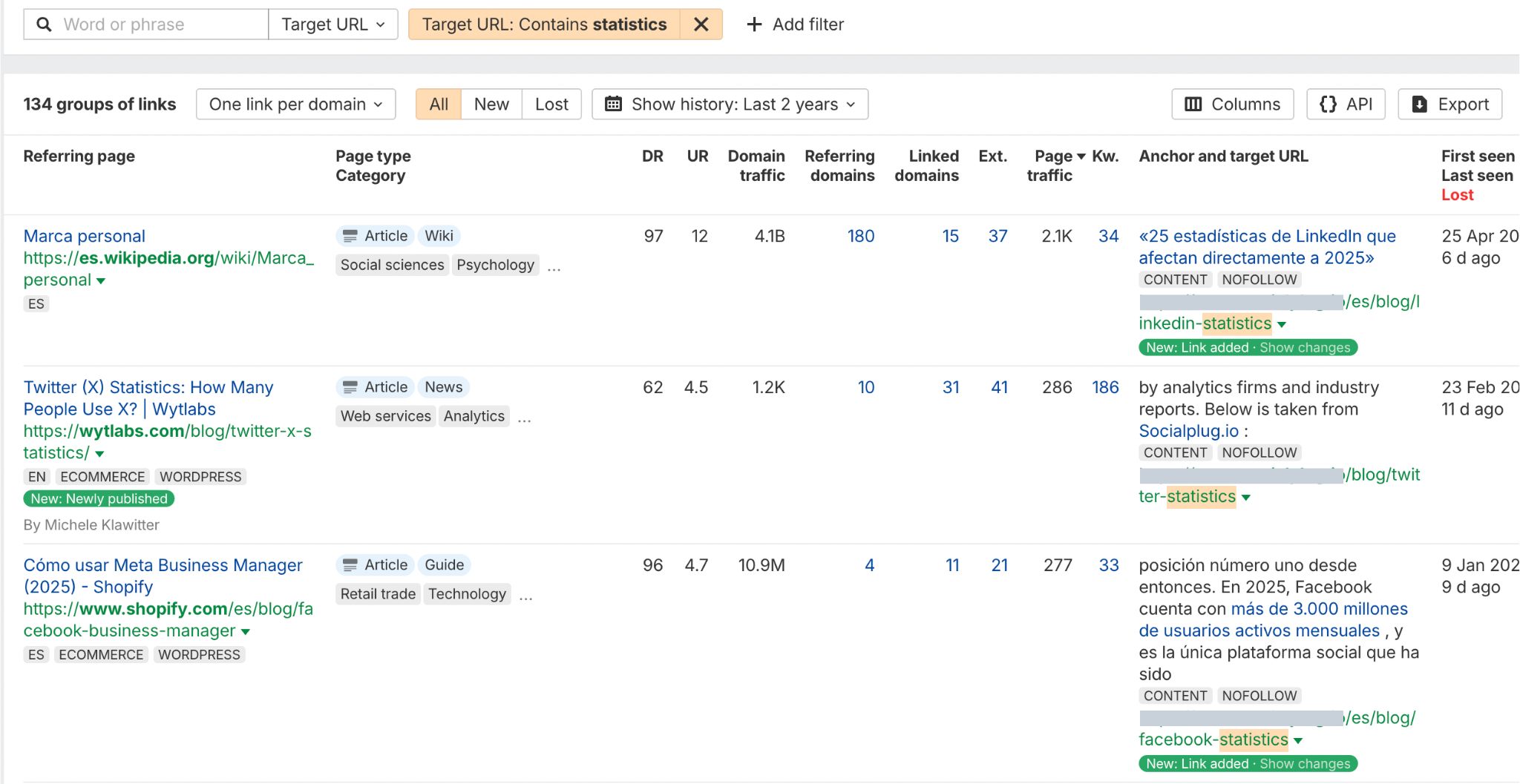
| New referring domains | 134 | Statistics pages alone, in the past month, with no outreach |
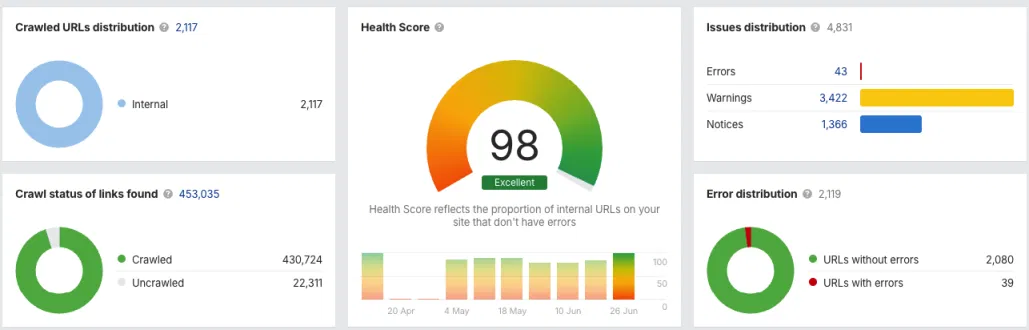
| Site health score | 98/100 | 450,000+ links crawled across the site |
Once a site is seen as the clear answer for a whole topic, new pages rank faster and pull backlinks with less effort than starting from zero every time. That's the part that compounds.Mishon SEO consultant & growth partner
Why it works — key takeaways
SEO is not about stuffing in more keywords. It's about being the best answer to what people are searching for — at a scale where that answer covers the whole subject.
Topical authority compounds
Once a site is seen as the clear answer for a whole topic, new pages rank faster and pull backlinks with less effort than starting from zero every time.
Data pages are natural link magnets
Statistics and programmatic content give other writers a reason to link to you, since they need a source and you already have the numbers.
AI SEO means optimizing to be cited, not just ranked
Showing up inside AI Overviews takes the same foundation as good SEO always has: clear structure, real data, and content that actually answers the question.
A little targeted outreach still helps
Most of the links here came in naturally, but a small, focused push like HARO added real authority and press coverage faster than waiting on organic mentions alone.
Technical health is what lets everything else scale
None of the content or backlink strategy matters much if the site itself is slow, broken, or hard to crawl. Keeping that number close to 100 is what let the rest of the growth actually show up.